
Alauddin Trust
Serving Humanity
Quick Donate
Choose your donation details
info@alauddintrust.com
12 Copsterhill Road, Oldham, OL8 1QB
1159142
ALAUDDIN TRUST
Serving the Community

.png&w=1200&q=75&dpl=dpl_JMm1NcSwpze1NdqGfmTSW7VyTK5d)
Rabi-al-awwal: Lessons from the Prophet ﷺ for Our Daily Lives

Rabi-al-awwal: Lessons from the Prophet ﷺ for Our Daily Lives
Rabi-al-awwal is the third month of the Islamic calendar and a meaningful time for Muslims to learn about the Seerah, character, and guidance of Muhammad ﷺ. His noble example teaches timeless values such as kindness, honesty, patience, mercy, compassion, and care for others.
Reflecting on these qualities can encourage us to improve our character and bring Islamic teachings into our everyday lives. Rather than making temporary changes, we can use this month as an opportunity to develop good habits that remain with us throughout the year.
“The best of you are those who are best in character.” - Sahih al-Bukhari 6035
What Is Rabi-al-awwal?
Rabi-al-awwal is the third month of the Hijri calendar and holds an important place in Islamic history because of its connection with significant events in the life of Muhammad ﷺ. Learning about this month provides an opportunity to study the Seerah and understand how faith, worship, good manners, patience, and concern for others were reflected in his conduct.
Rather than viewing Rabi-al-awwal only as a month of remembrance, Muslims can use it as a time for learning and personal reflection. Understanding the events and lessons associated with this period can help us appreciate the values that shaped the early Muslim community and consider how those values can be practised in our own lives.
(1).webp)
Why Is Rabi-al-awwal Significant?
The significance of Rabi-al-awwal is closely connected to the Seerah and the guidance found in the life of Muhammad ﷺ. His conduct showed how faith could influence everyday choices, relationships, responsibilities, and interactions with others.
This makes the month a valuable opportunity to look at our own behaviour and consider whether we are patient during difficulties, truthful in our speech, respectful towards our families and neighbours, and willing to help those who need support. Such reflection can turn remembrance into meaningful self-improvement and encourage us to bring Islamic values into the way we live each day.Lessons We Can Learn from His Character
The Seerah offers many lessons about developing good character. Kindness, honesty, patience, forgiveness, mercy, and generosity were reflected in the way Muhammad ﷺ dealt with people and responded to different situations.
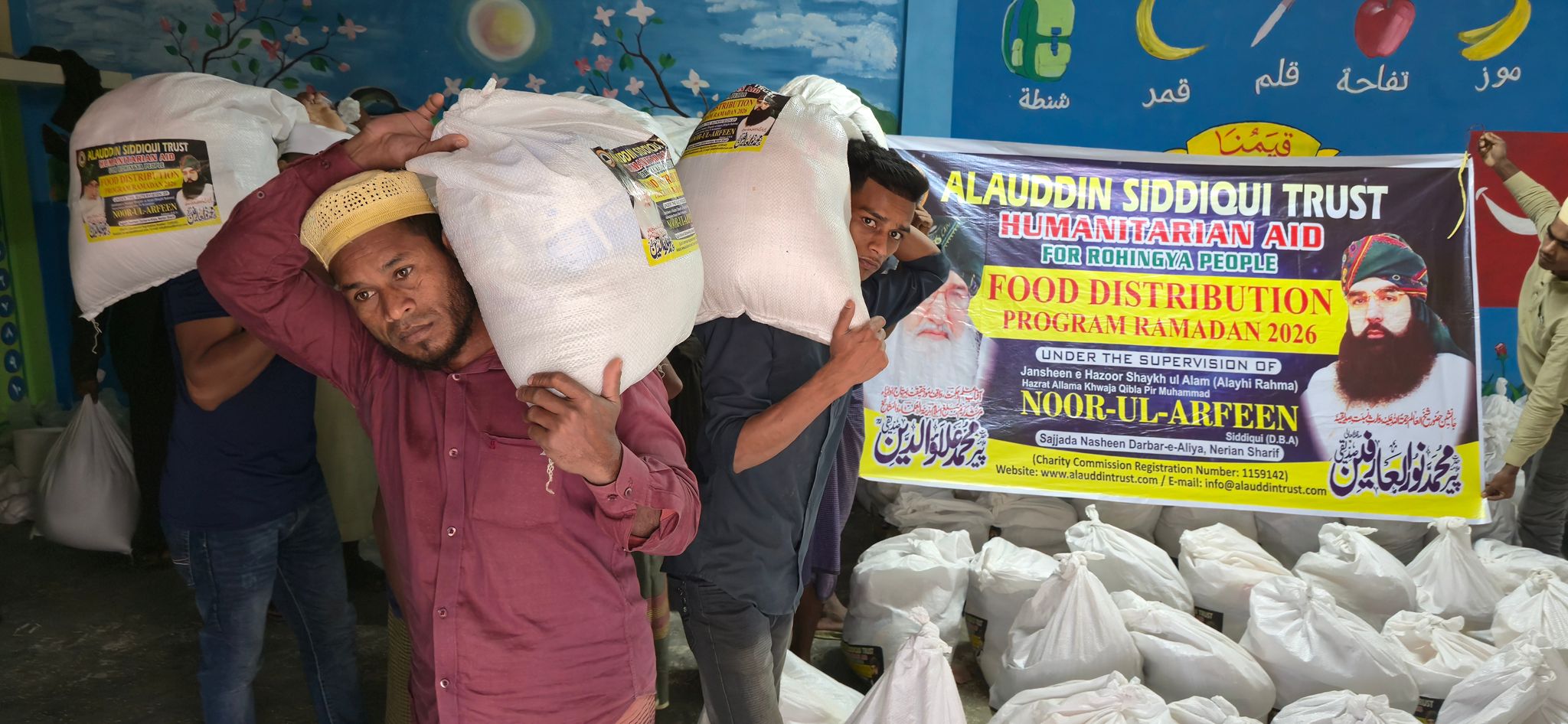
We can apply these qualities through simple actions in our daily lives by speaking truthfully, keeping our promises, fulfilling our responsibilities, treating parents and family members with respect, being considerate towards neighbours, controlling our anger, and remaining patient when facing difficulties. We can also support people who are struggling, give charity through our Rabi-al-Awwal appeal or food packs, share what we have, and offer help when someone is in need.Following the Sunnah in Our Daily Routine
Following the Sunnah does not require complicated changes to our routine. It can begin with simple practices that help us remember Allah throughout the day. We can begin our morning with Fajr prayer, make dua, and engage in dhikr before continuing with our daily responsibilities.
When meeting others, saying Salam, speaking kindly, and showing good manners can strengthen relationships and create a more peaceful environment. We can remember Bismillah before eating and follow the established manners of eating and drinking. Helping someone, sharing food, giving charity, visiting a person who needs support, or offering our time are also meaningful ways to bring these values into everyday life.How Can We Make Rabi-al-awwal More Meaningful?
We can make Rabi-al-awwal more meaningful by combining learning with action. Spending time reading reliable material about the Seerah can help us understand the character, decisions, patience, and compassion shown throughout the life of Muhammad ﷺ.
Learning becomes even more valuable when it influences our behaviour. We can choose a few practical habits to work on, such as speaking more gently, becoming more patient with family members, increasing charity, making more time for dhikr, or helping someone regularly. Focusing on a few meaningful improvements and practising them consistently can help good habits become a natural part of our lives.Rabi-al-awwal 2026: A Time to Reflect and Improve
Rabi-al-awwal 2026 can be an opportunity to pause and reflect on the kind of person we want to become. Instead of limiting our efforts to the month itself, we can use this period as a starting point for lasting improvement.
The lessons of the Seerah can influence how we respond to difficulties, treat our families, fulfil our responsibilities, and strengthen our relationship with Allah. Setting a simple personal goal can make this reflection more practical, whether it is improving one aspect of our character, becoming more consistent in worship, helping someone in need, or making a greater effort to speak and act with kindness.Carrying These Lessons Throughout the Year
The lessons we reflect on during Rabi-al-awwal should continue to guide us throughout the year. Good character is built through everyday choices, and even a small action can make a meaningful difference.
A kind word can bring comfort to someone, patience can prevent an argument, honesty can build trust, charity can ease another person's hardship, and forgiveness can help restore relationships. By making these qualities part of our regular behaviour, we can practise Islamic values consistently in our homes, workplaces, friendships, and communities.Let His Example Guide Our Lives
Rabi-al-awwal gives us an opportunity to learn from the Seerah, reflect on our character, and make sincere efforts to improve. The example of Muhammad ﷺ reminds us that faith is reflected not only through worship but also through the way we speak, behave, treat others, and respond to life's challenges.
We do not need to make major changes overnight. A truthful word, a patient response, an act of charity, a kind gesture, or helping someone in need can be a meaningful step towards becoming better Muslims. May Rabi-al-awwal inspire us to strengthen our connection with Allah, develop better character, and carry the beautiful teachings of the Sunnah into our daily lives throughout the year.
BE THE CHANGE.
START A MOVEMENT.
AST is on a mission to fight poverty, uplift lives, and spread hope, one act of kindness at a time.

Sign Up To Our Newsletter
Stay updated with our latest projects, success stories, and ways to get involved.